The Brain Injury Centre wasn’t founded in a sterile corporate boardroom or by a detached tech company. It was born out of a family’s personal crisis.
When our founder watched a loved one suffer a severe head knock, they went through the exhausting, frightening loop of traditional medicine. Standard hospital emergency department scans came back completely "clear". We were told there was nothing wrong – yet we were living with the daily reality of severe mental fatigue, memory lapses and relationship strain.
Unwilling to let those with "invisible injuries" be ignored by a dismissive system, our founder – holding a Bachelor of Social Science from Southern Cross University – began searching for a better way.
We developed this automated platform to give survivors and caregivers an affordable, self-guided way to track, document and observe functional cognitive trends from home. We are not a corporate clinical entity; we are a dedicated, advocacy-first ally here to make sure your lived experience is heard, validated and respected.
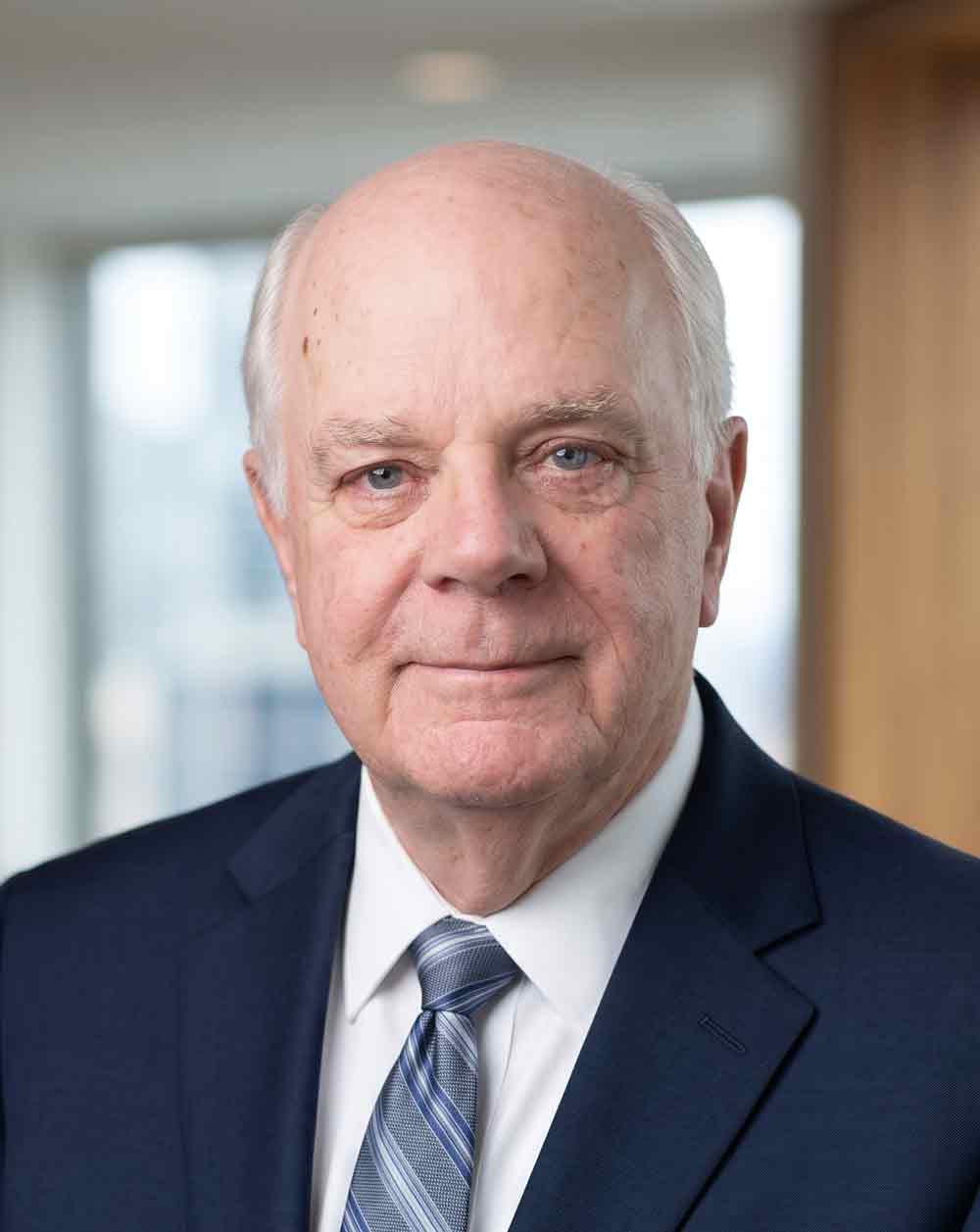
B.Soc Sci Counselling, Mediation, Sociology
Director Research & TBI Rehabilitation
Cert: Traumatic brain Injury rehab Counselor (USA)
Brain Injury Centre
For over a decade the Brain Injury Centre staff and online affiliates globally have been front runners in analysing and assisting in rehabilitation of accidental Traumatic brain concussions in the diagnosis and underdiagnosed including the aftereffects such as of neuro trauma especially, Post Traumatic Brain Injury (PTSD).
What is of great concern accidental Traumatic Brain Injuries (TBI's) are frequently overlooked or misdiagnosed by the medicos.
Often there is no mention of brain injury, or even a head injury, in the ambulance or hospital records.
Admitting doctors reasonably concentrate on the obvious and possibly life-threatening injuries like broken limbs and bleeding lacerations, and don't have the time or possibly the expertise to identify a concussion TBI’s.
Patients are often discharged without the patients themselves realising that in addition to other more obvious injuries they also have an accidental Traumatic Brain Injury (TBI) from motor vehicle motor bike and workplace injuries.
The morbid consequences of a TBI may not actually manifest themselves for weeks or months as the focus is on recovering from the more obvious injuries. However gradually those close to the accident victim start to notice the unpleasant changes in personality, stamina, cognition and behaviour.
This causes strain on relationships as the sufferer becomes increasingly moody, aggressive and generally difficult to get along with, all of which are compounded by the accident victim's lack of insight.
Accident victims with TBI risk becoming disconnected from their family and friends.
They generally can't cope with a return to work even though their other more obvious injuries have subsided jobs are lost.
Financial strain adds to their misery.
Busy GPs lack the time or patience to investigate the possibility of a TBI to explain their patient's changed behaviour and be inclined to simply put it down to psychological factors. It can be a nightmare.
Over the past decade we have been committed in diagnosis and rehabilitation of affected undiagnosed and diagnosed individuals in a humanitarian setting who want to improve their everyday life.
